On the 10th of September 2024, I completed the first draft of Annika Dash – The Dark Side of the Moon. Immediately, I sighed and thought, “Well that went well.” It’s that feeling you get when you reach the end of something you may have doubted you’d complete. Of course, I’ve lots more to do, but I think it’s important to stop and celebrate one’s success, right?
Now Draft 1 is complete, I am resting; stepping away. I’m doing other things. I found, that the longer I leave it before going back to edit, the more likely I will spot errors or ways to improve the plot, characters or settings. That’s what I’m doing now. I’ve started redesigning my creative working space at home, working on processing photos I took in the summer, and preparing to write some new music. My next writing session is planned for November to coincide with this year’s NaNoWriMo.
This is an American initiative, but it’s been widely adopted in other countries to encourage anyone to write a novel in November. The definition of a novel, for NaNoWriMo, is 50,000 words. That’s roughly 1666 words a day. These targets are important because they give the writer focus. One of the main reasons we don’t complete our work is that no one holds us accountable, encourages us forward, or picks us up when we fall. This is because writers normally work in isolation, choosing when to write. NaNoWriMo provides a robust framework to help with this. Some writers meet daily in cafes and libraries to participate in writing ‘sprints’. A sprint is a specific time, during which everyone writes together. Each sprint can be set to last between 20 to 30 minutes. Far more common are virtual meet-ups, with Zoom and FaceBook being popular platforms.
How will I work? The target I will set myself will be different. I will aim to edit and complete a second draft of Annika Dash – The Dark Side of the Moon. Accountability? I hope I have the discipline to complete my draft, but I will look for others who may need help, and join them if I can.
Entertainment recommendations this month…
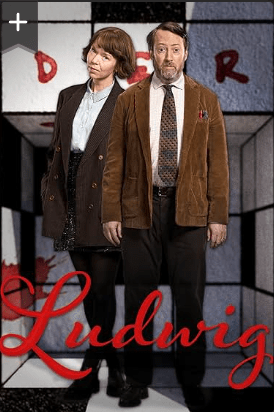
Ludwig 2024
I have to mention another BBC comedy drama, Ludwig. If you like David Mitchell, then this programme is for you. It’s the ideal vehicle for his character to shine through. Like Upstart Crow it centres around a character blessed with talent, yet struggling with the world around him. It also stars the brilliant Anna Maxwell-Martin who has been in countless other stage and screen productions. Anna portrays the wife of ‘Ludwig’s’ much more successful brother who is missing. She comes up with a hair-brain scheme enlisting her brother-in-law; the identical twin brother of her husband. Brilliant Series 10 unicorns out of 10
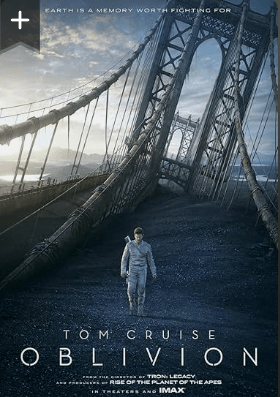
Oblivion 2013
I caught a video on YouTube about the making of Oblivion. This 2013 Sci-Fi, based on a graphic novel, is probably one of my all-time favourite films, and the video reignited my enthusiasm for it. The video goes behind the scenes into inception, concept, set creation, locations, and stunts. Maybe I should be reviewing/recommending the YouTube video? Okay, here’s the link – Oblivion (2013) – Behind the Scenes Compilation (CinemaScope). I won’t say anymore other than it’s a… Brilliant film, 10 unicorns out of 10
Next month
I will concentrate on Draft 2 of Annika Dash and The Dark Side of The Moon from now until the end of November. After that, I will let you know how I did. In the meantime, I will keep posting on my FaceBook page.